
Big groups need a holiday that keeps everyone busy, well fed and happy, and Greece tours manage that in every corner of the country. Extended families, sports clubs, school trips, church groups and company teams all find a good fit. The islands offer whitewashed villages and boat days, while the mainland offers famous ruins.
Each region shows big groups a different side of Greece. Island days run on boats with swim stops, lunch on board and a skipper who knows the quiet coves. Athens and the mainland lean on licensed guides, coaches and group entry tickets. My Greece Tours brings these Greece tours together for busy planners.
What Makes Island Greece Tours Great For Big Groups?
Island Greece tours work for big groups because one boat and one guide carry everyone together. Beaches, villages and ruins come easily, with no lost members or long waits. Planners can compare Greece tours and Tours In Greece to find the right island day for their whole crowd of friends and family.
Which places impress big groups in the islands?
Santorini tops most island lists. Its white villages cling to the edge of the caldera. This is a huge bowl left when an old volcano blew apart and the sea rushed in. Groups gather on terraces in Oia or Fira to watch the sun disappear into the water. It creates the photo everyone remembers.
Mykonos town is a maze of white lanes and tiny chapels. In Little Venice, old captains’ houses hang over the waves, and windmills stand on the hill above. A short boat ride away lies Delos, a holy island where Apollo was born in Greek myth. Its open ruins feel like a museum without walls.
Milos surprises groups with colour. At Sarakiniko, white rock looks like the surface of the moon, and at Kleftiko, sea caves and stone arches once hid pirates. Naxos greets boats with the Portara, a giant marble doorway from a temple that was never finished. Paros adds Naoussa harbour, full of fishing boats and seaside tables.
How are Greece tours in the islands organised?
Private tours with a driver-guide or skipper suit families and close friends who want to set their own pace. The price covers the entire group, so the cost per person falls as more people join. Santorini boat cruises are a classic pick, sailing under the caldera cliffs with swim stops in warm, clear bays.
Boat cruises with swim stops also suit mixed groups, since swimmers jump in while others relax on deck. Full-day trips from Athens by coach work for groups based in the capital who want an island taste without changing hotels. Snorkel and beginner scuba trips please teens, sporty friends and anyone curious about life underwater.
Cooking classes and wine tastings bring the calmer members of the group together. Grandparents, parents and older children cook side by side, then share the food at one long table. These quieter Greece tours give a welcome break between busy beach days and village walks, and they suit every age in the party.
Which comforts do Greece tours in the islands offer?
Food matters when a large group spends an entire day outdoors. Many island Greece tours include lunch or a BBQ meal, often grilled on board or served on a beach. Drinks come with most cruises, and some trips pour them without limit. That spares the group the hunt for a table that seats everyone.
A licensed or local guide explains the sights and handles the problems that pop up. Snorkel gear arrives clean and ready, so nobody packs masks from home. Swim stops divide the day and cool everybody down. Wine tastings, often among Santorini vineyards, let adults sample island wines while children enjoy the view.
Free time to explore is the quiet hero of island days. Groups split into small teams for shopping, a coffee or a swim, then meet again at a set point. Everyone gets to choose a little, and nobody feels dragged along. That balance keeps a large group cheerful until the boat returns to port.
What keeps a big group happy in the islands?
Timing really matters on island Greece tours. Morning cruises beat the strongest sun, and sunset trips need booking well ahead. Seasickness tablets, hats, reef-safe sunscreen and refillable water bottles belong in every bag. A bright shared colour, such as a matching club shirt, makes heads easy to count on a busy harbour front.
Large groups stay organised by naming a leader for every team of relatives or friends. The meeting point and boat name go into a group chat before leaving the hotel. Light day bags work best, since steps onto small boats are narrow. A spare towel and dry clothes make the ride home more comfortable.
What Makes Mainland Greece Tours Great For Big Groups?
Mainland Greece tours suit big groups because coaches, licensed guides and group entry tickets make long routes simple. Famous ruins and mountain monasteries turn into calm, well-run days for everyone. The scenic drives also pass olive groves, mountain villages and wide green valleys, so even the road feels like part of the trip.
Which places impress big groups in the mainland?
Delphi sits on the slopes of Mount Parnassus. The ancient Greeks called it the centre of the world. People came to its oracle, a holy place where a priestess passed on advice from the god Apollo. Visitors walk past ancient treasure houses, a temple and a theatre that looks across a deep green valley.
Meteora looks unreal, since monasteries, the homes of monks and nuns, sit on giant rock pillars that rise straight from the plain. Monks were once pulled up in nets on ropes. Further south, Mycenae was the city of King Agamemnon in old Greek stories, and its Lion Gate shows carved stone lions above the entrance.
The ancient theatre of Epidaurus is famous for its sound, as a whisper on stage carries to the top seats. Nearby Nafplio charms groups with pretty lanes and the Palamidi fortress on the hill above. Ancient Olympia is where the Olympic Games began. The Corinth Canal cuts a narrow, deep path through solid rock.
How are Greece tours in the mainland organised?
Small-group tours suit families or friends who want a guide close by and space to ask questions. Bigger parties often book several of these side by side on the same day. Full-day trips from Athens by coach suit groups that want the classic sites, such as Delphi or Mycenae, without driving, parking or planning routes.
Meteora day trips from Athens are popular with church groups and history fans, since the monasteries mix faith, views and stories. Guided walking tours suit active members who like to explore old towns such as Nafplio on foot. Entry tickets work for relaxed groups who want to explore the ruins at their own pace.
Multi-day Greece tours with hotel nights suit clubs, schools and big families who want to see a lot without rushing. The group checks in each evening, eats together and wakes up close to the next site. This kind of trip turns a string of separate sights into one long shared journey that people remember.
Which comforts do Greece tours in the mainland offer?
A licensed or local guide is the biggest comfort on mainland Greece tours. In Greece, only state-licensed guides may lead groups inside archaeological sites, so a good guide is a must. These guides tell the old stories in plain words, answer questions from children and adults, and keep everyone moving at a steady pace.
Entry tickets bought ahead save considerable stress. A big group can lose precious time in a ticket line while the sun climbs higher. With tickets in hand, the guide leads everyone straight through the gate. Organisers also know the cost in advance, which helps when relatives or club members divide the bill fairly.
Hotel nights on multi-day trips remove the hardest part of group travel. Rooms are booked as a block, so families stay close and nobody hunts for a bed late at night. Bags stay in one place for the evening, and the group starts each morning rested, calm and ready for the open road.
What keeps a big group happy in the mainland?
Early starts pay off on mainland Greece tours. Sites like Delphi and Olympia are cooler and calmer in the morning, and the light is better for photos. Comfortable walking shoes matter, since ancient paths are rough and uneven. Hats, water bottles and light layers help, because mountain areas such as Meteora can feel cool.
A quick head count at every coach stop keeps everybody together. Each family or team needs one leader who reports back to the organiser. Monasteries ask for modest clothing, so women carry a long skirt or wrap and men wear long trousers. A shared photo list keeps the whole group posing together at each sight.
What Makes Athens Greece Tours Great For Big Groups?
Athens Greece tours work well for big groups because world-famous sights sit close together. Guides know every corner, and food, wine and sea trips fill the rest of the day. A group can see ancient temples in the morning and swim off the coast by the afternoon. Long transfers are rare.
Which places impress big groups in Athens?
The Acropolis is the rocky hill that rises above the city. On top stands the Parthenon, a marble temple built for the goddess Athena. Beside it, the Erechtheion shows the Caryatids, stone statues of young women that hold up a porch roof. Groups feel the true scale of the place once they reach the top.
The Acropolis Museum sits at the foot of the hill, with glass floors that show old streets beneath. The Ancient Agora was the market and meeting place where people traded goods and argued about ideas. The Stoa of Attalos, a long covered walkway, has been rebuilt there. The Temple of Olympian Zeus shows giant columns.
Plaka is the old quarter under the Acropolis, full of lanes, cafés and shops. Above it, Anafiotika feels like an island village, with whitewashed homes built by workers from the Cyclades. Monastiraki flea market buzzes with stalls. On the coast, the Temple of Poseidon, god of the sea, crowns the cliffs at Cape Sounion.
How are Greece tours in Athens organised?
Private tours with a driver-guide or skipper suit families and big company groups who want to move on their own timing. The price covers the entire group, which makes it excellent value for a large party. A private skipper can take everyone along the Athens coast for a relaxed, unhurried day on the water.
Boat cruises with swim stops sail from the Athens coast to nearby islands and quiet bays. They suit groups who want a full sea day without packing up and leaving the city. Guided walking tours suit history fans and first-time visitors, and guided Acropolis tours help everyone understand what they see on the hill.
Cooking classes and wine tastings suit company teams and friends who want a relaxed, fun evening in town. Everyone rolls pastry, chops salad and learns family recipes, then sits down to eat together. These Greece tours turn a city break into a shared, hands-on memory that people talk about long after the trip ends.
Which comforts do Greece tours in Athens offer?
Athens Greece tours make food part of the plan. Boat days often include lunch or a BBQ meal on deck, so nobody leaves the water to eat. Drinks come with many cruises, and some trips offer them without limit. That saves the group from splitting up to find enough seats at a taverna.
A licensed or local guide is key inside the Acropolis and the Ancient Agora. The guide knows quiet corners, shady spots and the best story for each old stone. Children stay curious when history becomes a story about real people. Adults enjoy the extra detail that signs and maps often leave out.
Wine tastings give the evening a relaxed finish, with local wines and grape types explained in plain, friendly words. Swim stops on sea trips cool everyone down after a hot morning among the ruins. Together these comforts let the group switch from history to rest without long transfers, tricky planning or tired, grumpy faces.
What keeps a big group happy in Athens?
The Acropolis is best early or late, when the sun is softer and the crowds thin out. Shoes with good grip are a must, since the old marble paths are smooth and slippery. Everybody needs a hat, sunscreen and a reusable water bottle. A small fan or cooling towel helps grandparents on hot days.
Big groups in Athens stay together by choosing clear meeting points, such as a named square or museum entrance. Bags stay small, because security checks at the main monuments refuse large backpacks. A group chat with a shared map pin works well. Evening free time lets people shop in Monastiraki before dinner.
What Makes Crete And Rhodes Greece Tours Great For Big Groups?
Crete and Rhodes Greece tours suit big groups because they mix palaces, castles and beaches in one trip. Boats, friendly guides and long lunches keep every age happy all day. Corfu and Zakynthos add green hills and bright sea caves to the plan, so the group never runs short of things to do.
Which places impress big groups in Crete, Rhodes and Corfu?
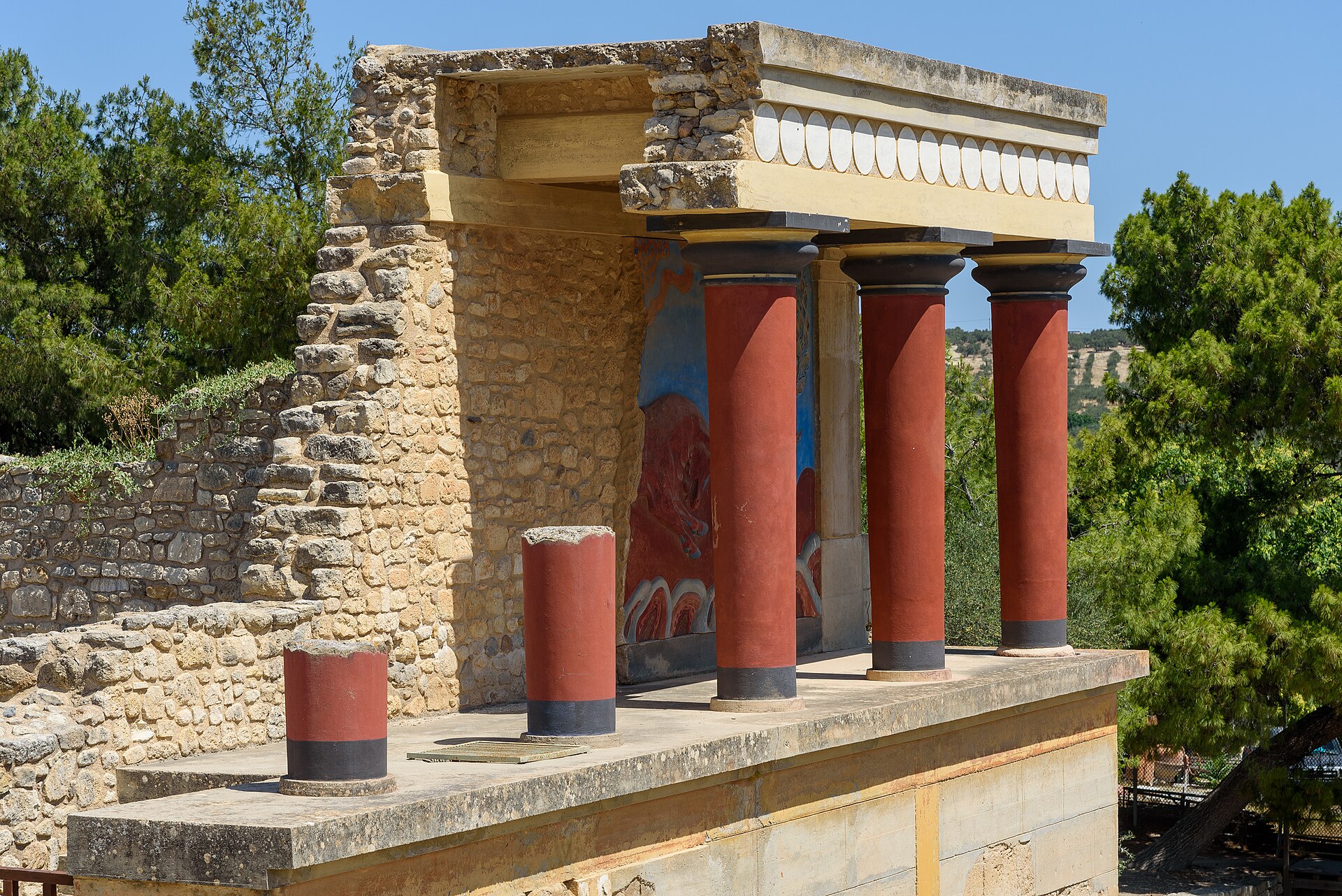
The palace of Knossos on Crete belonged to the Minoans, an island people who built cities long before the Parthenon rose. Its red columns and painted walls link to the legend of the Minotaur, a half-bull monster. Chania old town wraps around a harbour with a lighthouse, narrow lanes and lively waterside tavernas.
Balos and Elafonisi are Crete’s most famous beaches. Balos is a lagoon with shallow turquoise water, and Elafonisi has soft sand with a pink tint. On Rhodes, the Acropolis of Lindos sits above a white village and a blue bay. The Old Town of Rhodes keeps the stone walls built by knights long ago.
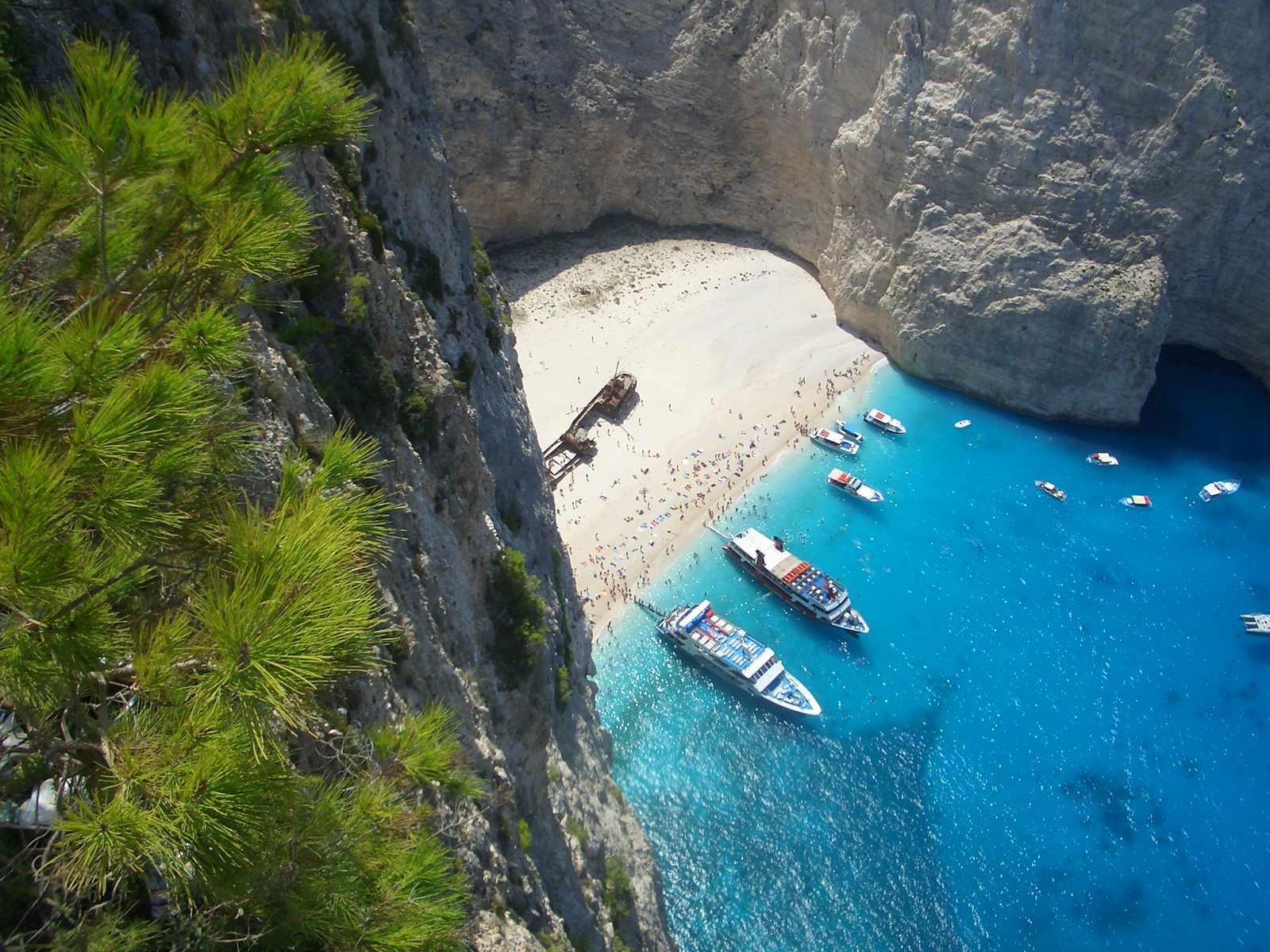
Corfu old town mixes forts built by rulers from Venice, French-style arcades and a wide green square. The island looks noticeably greener than most of Greece. On Zakynthos, Navagio beach hides a rusty shipwreck on white sand below tall cliffs. Nearby, the Blue Caves glow with bright water that makes swimmers’ skin look pale blue.
How are Greece tours in Crete, Rhodes and Corfu organised?
Private tours with a driver-guide or skipper suit big families and friends who want their own boat or van. The price covers the entire group, so dividing it keeps costs affordable. Boat cruises with swim stops reach Balos, Navagio and hidden coves, and they suit groups who want sun, sea and easy fun.
Guided walking tours suit history lovers in the lanes of Chania, Rhodes Old Town and Corfu old town. Entry tickets suit relaxed groups who want to explore Knossos or Lindos at their own pace. Full-day trips from Athens by coach fill the days before an island flight, so the group sees the mainland too.
Cooking classes and wine tastings suit company groups, clubs and families on a slower day. Crete is famous for olive oil, wild herbs and village cooking, so its classes feel very local. These Greece tours give everyone a hands-on task and a big shared table at the end. Shy members soon feel included.
Which comforts do Greece tours in Crete, Rhodes and Corfu offer?
Boat Greece tours around Crete, Rhodes and Corfu often include lunch or a BBQ meal served on deck or on a beach. Drinks come with many cruises, and some trips pour them without limit. For a big group, a set meal means no long waits and no one left hungry while others order.
A licensed or local guide makes Knossos, Lindos and the old towns easy to follow. Guides share legends, point out hidden details and keep the group moving through busy narrow streets. Entry tickets bought ahead save the group from standing in long lines under the sun, which matters most with young children and grandparents.
Swim stops turn a long boat day into a series of small treats, from turquoise lagoons to blue sea caves. Wine tastings in island villages let adults sample local wines and meet the families who make them. Both give the group a calm pause between busy sights and keep spirits high all day.
What keeps a big group happy in Crete, Rhodes and Corfu?
Roads on Crete are long and winding, so groups plan one big outing per day. Early starts help at Knossos and Lindos, where shade is rare by midday. Swimsuits, towels, water shoes and strong sunscreen belong in every small day bag. Motion sickness tablets help on the bumpy boat trips to Balos and Navagio.
Each family or team needs a named leader and a clear plan for every stop. The path up to Lindos is steep and rocky, so slower walkers start first. A fixed meeting time in each old town keeps the day on track. A shared playlist on the coach keeps the mood bright on long drives.
Conclusion: Best Greece Tours For Big Group Holidays, Planned Well
The best Greece tours for big groups match the place to the people. Islands give boat days, swim stops and white villages. The mainland gives famous ruins and cliff-top monasteries, while Athens packs history, food and sea trips into one base. Crete, Rhodes and Corfu add palaces, castles and beaches for every age.
Careful planning turns a crowd into a happy team. Organisers book early, share clear meeting points and choose trips with guides, meals and free time already built in. A helpful starting point is this guide to Greece group tours. With the right Greece tours, every member heads home with great stories to share.
Frequently Asked Questions About Best Greece Tours For Big Group Holidays
Which Greece tours handle big groups best?
Private tours with a driver-guide or skipper handle big groups best, since the whole group shares one private vehicle or boat. Full-day trips by coach and boat cruises with swim stops also work well for larger numbers. Multi-day Greece tours with hotel nights suit groups who want every detail organised from start to finish.
Can a big group stay together on Greece tours?
Yes, a big group can stay together by booking a private boat, coach or guide for everyone. When the group is too large for one boat, organisers book several trips that leave at the same time. A shared meeting point, a group chat and team leaders keep everyone in touch all day long.
Do Greece tours offer group rates?
Many Greece tours offer group rates for larger parties, and private tours are priced for the whole group rather than per person. The more people share a private boat or van, the lower the cost for each traveller. Organisers ask for a written group quote before they book, so everyone knows what is included.
How early should big groups book Greece tours?
Big groups book as early as they can, especially for summer trips, sunset cruises, private boats and cooking classes. Popular dates sell out quickly on Santorini, on Mykonos and at the Acropolis, where group slots vanish quickly. Booking early also gives organisers time to collect money, confirm names and sort out hotel rooms calmly.
Can big groups mix day trips and island Greece tours?
Yes, many groups start in Athens with day trips to Delphi, Meteora or the Peloponnese, then fly or sail to the islands. This mix keeps the holiday varied and fresh, and it breaks up long days of sightseeing. It also gives everyone a fair chance to enjoy both ancient ruins and sunny island beaches.
Which season is best for big group Greece tours?
Late spring and early autumn suit big groups best, with a warm sea, softer heat and smaller crowds. Summer is lively and great for swimming, though the main sites get busy and hot by midday. Winter suits city trips to Athens and the mainland, while many island boat trips take a long break.
How do big groups lock in Greece tours?
Big groups lock in Greece tours by fixing dates early, collecting a deposit from every member and asking for written confirmation of each booking. This order stops the old problem where half the group commits while the rest keeps waiting. Firm numbers also let Greece tours hold the right boat, coach or guide.
Which choices come first when booking Greece tours?
The first choice is the style of trip. Some groups want a shared outing, while others want a private one that runs only for them. A guide to choosing the right Greek tour helps planners match Greece tours to the energy and interests of the whole party.
Private options give the most control over timing, stops and pace. This guide to Greece private tours shows how a full trip can be shaped around one group. Mixed parties with toddlers and grandparents gain the most from that freedom, since nobody has to keep up with strangers.
Smaller shared outings still fit a big group that splits into teams for the day. These small-group and private experiences show both sides clearly. Many organisers mix the two, booking private Greece tours for the big days and shared ones for quieter afternoons.
Group size shapes the choice as well. A party that fills a whole coach gains little from shared seats, while a smaller circle of friends fits neatly into a minibus. Counting heads honestly at the start saves a second round of bookings later.
How do deposits and name lists secure Greece tours?
Deposits turn loose interest into a real commitment. Once each member pays a share, the organiser knows the true headcount and can book Greece tours with confidence. Late payers lose their place on a set date, which keeps the plan fair for everyone who paid on time.
A clean name list matters just as much. Many Greece tours ask for full names, ages and any medical or diet needs before the day. One shared sheet, updated only by the organiser, stops spelling errors, double entries and missing members at the boarding point.
Written terms protect the group when plans shift. Organisers read the cancellation rules, the deadline for changing numbers and the policy for bad weather. For longer trips, clear escorted tour itineraries spell out each day, so nobody faces costly surprises halfway through the holiday.
A simple timeline keeps everyone calm. The organiser shares a calendar with deadlines for deposits, final payments and name changes. Members then know exactly what is due, and the organiser avoids chasing people one by one.
How do Greece tours handle big group logistics?
Greece tours handle big group logistics with set pickup points, booked transport, clear timetables and a single contact who keeps everyone moving. The organiser’s job is to feed the right details to that contact early. When the information is clean, Greece tours run smoothly from the first pickup to the final drop-off.
How do Greece tours move big groups around?
Most Greece tours for big groups use a private coach or minibus on land. The driver knows the roads, the parking spots and the best drop-off points near each site. That saves the group from long, hot walks with tired children and slower older members.
Island trips add ferries to the mix. These ferry travel tips explain boarding, seating and luggage storage on Greek boats. Organisers check that every member holds a ticket before the group reaches the port, because island Greece tours run to strict sailing times.
Some groups add free city days between Greece tours. On those days, small teams use buses, trams and the metro on their own. This guide to exploring Greece by public transport helps each team find its way and return to the hotel on time.
Pickup points need care as well. A single hotel lobby works best, but scattered rental flats call for one central meeting spot. The organiser shares a map pin and a photo of the spot, so late risers find it without phoning anyone.
What should every member pack for Greece tours?
Packing light makes every transfer faster. Big suitcases slow down boarding and fill coach holds before everyone is on. These ideas on packing light for island tours help members bring only what they need for busy Greece tours.
A short shared packing list keeps the whole group on the same page. The organiser sends it out early, so nobody arrives without the basics:
- A small day bag with water and sun cream
- Comfortable shoes for rough stone paths
- A light layer for boat rides and cool evenings
- Copies of tickets and photo ID
- Any daily medicine in hand luggage
Families with young children need a little extra planning. These family-friendly travel tips cover snacks, naps and shade. Greece tours run more smoothly when parents know the plan before the coach leaves the hotel each morning.
Why do big groups need a group leader on Greece tours?
Big groups need a group leader on Greece tours because one calm person speaks for everyone, counts heads and fixes small problems fast. Without that role, guides end up chasing many voices at once. A clear leader keeps Greece tours on time and keeps the mood friendly.
What does a group leader do on Greece tours?
The leader is the link between the group and the guide. Questions, special requests and late arrivals all go through one person. Guides on Greece tours can then focus on stories and sights instead of sorting out muddles and repeated questions.
Head counts are the leader’s daily habit. Before the coach leaves, after every stop and before any boat sails, the leader checks every name. A bright flag, hat or shirt helps the group spot the leader quickly in a crowded square or harbour.
The leader is not the guide, though. In Greece, only state-licensed guides may lead groups inside archaeological sites and museums. So the leader handles people and timing on Greece tours, while the licensed guide explains the ruins and the stories behind them.
Larger parties often name a deputy too. The deputy walks at the back, checks on slower members and takes over if the leader feels unwell. Sharing the load stops one person from missing the holiday while managing everyone else.
How does a group leader keep Greece tours safe and polite?
Safety on Greece tours starts with a short talk on the first morning. The leader shares the meeting point, the emergency plan and the rule that nobody leaves without telling a team leader. These safety tips for Greece cover heat, sea swims and busy streets.
Good manners matter too, especially at churches and monasteries. The leader reminds members about modest clothes, quiet voices and photo rules. This guide to Greek etiquette helps the whole group make a good impression on Greece tours.
A good leader also watches energy levels. When members look tired or hot, the leader asks the guide for shade, water or a short rest. Small fixes like these stop grumbles early and keep Greece tours fun for every age in the group.
How do big groups split costs on Greece tours?
Big groups split costs on Greece tours by pricing shared items per group, personal extras per person, and keeping one record everyone can check. This simple rule stops awkward talks about money later. It also helps members plan their own spending on Greece tours with confidence.
Which costs do groups share on Greece tours?
Private boats, coaches and guides cost the same whether a few seats or every seat is filled. Splitting these costs across the full group makes private Greece tours far cheaper per head. The bigger the group, the smaller each share becomes.
Entry tickets, meals and drinks work differently. Some Greece tours include them, and some leave them to each member. The organiser marks clearly which items are shared and which are personal, so nobody pays for a dinner they skipped.
Children and teens often pay less at sites and on some trips. A fair system gives families credit for those savings. Clubs and company groups sometimes cover the shared costs from a central budget, leaving members to pay only for their own extras.
Airport transfers are another shared cost worth planning. One booked coach for the whole party often costs less per person than a long line of taxis. It also means everyone reaches the hotel together, ready to start the holiday.
How do big groups keep money simple on Greece tours?
A shared kitty works well for small daily costs like tips, water and snacks. One member holds it, records every spend and shows the list each evening. That open record builds trust across the whole group on Greece tours.
Payment apps make collecting shares easy before the trip. The organiser sends one clear amount per person with a firm deadline. These budget tips for Greece help members save on meals, transport and souvenirs.
Optional extras stay optional. A wine tasting or a sunset cruise goes on a sign-up sheet, and only those who join pay. This keeps the trip friendly for members on tighter budgets and gives everyone a fair say.
Which Greece tours suit sports teams?
Sports teams thrive on Greece tours that mix hiking, kayaking and climbing with visits to the places where ancient athletes once raced. Warm weather also makes Greece tours ideal for off-season training camps. Team coaches plan hard sessions in the morning and bonding time by the sea later in the day.
Which active Greece tours build team spirit?
Outdoor challenges bring players together fast. Sea kayaking, rafting and rock climbing ask everyone to trust and support each other. This guide to adventure activities in Greece lists options on land, at sea and in the air for active Greece tours.
Hiking suits teams that want endurance work with a view. Gorges on Crete, mountain paths in the north and coastal trails on the islands all test tired legs. These top hiking trails in Greece help team leaders pick routes that match the fitness of the squad.
Island Greece tours add sailing and snorkelling to the mix, and a private boat day lets players rest away from phones. Kalymnos, an island famous for its cliffs, draws climbing clubs from across Europe. Popular team choices include:
- Sea kayaking along quiet coastlines
- White-water rafting on mountain rivers
- Rock climbing on island cliffs
- Gorge hikes with a local guide
- Sailing days with swim stops
Which Greece tours show teams the roots of sport?
Ancient Olympia is a must for any sports team. This is where the Olympic Games began, held in honour of the god Zeus. Teams walk through the stone tunnel into the old stadium, and many players race each other down the ancient track.
In Athens, the Panathenaic Stadium is built entirely of white marble. It hosted the revival of the modern Olympic Games, and teams stand on the podium for photos. Greece tours often pair it with a visit to the Acropolis on the same morning.
Marathon is another stop with a great story. Legend says a messenger ran from the battlefield to Athens to announce victory, then collapsed. Runners in the group love tracing part of that route, and the tale gives the whole team something to talk about.
Training camps fit Greece tours well outside the busiest summer weeks. Mild weather, sports grounds near the coast and quiet hotels create a calm base. Players train hard, then recover with sea swims, stretching on the beach and long shared dinners.
Which Greece tours suit church and community groups?
Church and community groups enjoy Greece tours that follow early Christian history, visit working monasteries and share local festivals, food and village life. These Greece tours mix faith, culture and fellowship. They also give every member a chance to meet Greek families and see old traditions still alive today.
Which faith-focused Greece tours do church groups choose?
Many church Greece tours follow the journeys of the Apostle Paul. He preached in Philippi, Thessaloniki, Athens and Corinth, and each place still shows ruins from his era. Standing on the rocky hill in Athens where he spoke brings the Bible stories vividly to life.
Monasteries are another highlight. The rock-top monasteries of Meteora and the cave on Patmos where Saint John wrote the Book of Revelation draw pilgrims from far away. This guide on how to visit Greek monasteries covers dress codes and quiet rules.
Easter is the biggest feast for the Greek Orthodox Church, the main Christian church in Greece. Candlelit services, ringing bells and family meals fill every town. This guide on experiencing Greek Easter traditions helps groups plan Greece tours around the holiday.
Thessaloniki adds a rich layer for church groups. Its old Byzantine churches, built when the city belonged to the eastern Christian empire, glow with gold mosaics. Several are protected as world heritage sites, and services still take place inside them.
How do Greece tours bring community groups closer?
Community groups often want to meet local people, not just see sights. Village Greece tours open that door. Members join a cooking lesson in a family kitchen, help with an olive harvest or dance at a summer feast in the square.
Traditional villages make ideal bases for this kind of trip. Stone houses, small churches and old cafés show a slower side of Greek life. These traditional Greek villages to visit suit choirs, clubs and charity groups looking for real connections on Greece tours.
Volunteer days add meaning to Greece tours for some groups. Beach clean-ups and help at animal shelters fit easily between sightseeing days. Organisers arrange these through local partners, so the work is useful, welcome and well planned.
Shared meals tie the group together at the end of each day. Long tables in village tavernas suit large parties, and hosts often bring out extra dishes to share. Choirs sometimes sing a song of thanks, which locals warmly welcome.
Which Greece tours suit university groups?
University groups gain most from Greece tours that turn ancient sites and museums into open-air classrooms led by expert guides. Greece tours like these let students see textbook places up close. Lively evenings in Athens and on the islands balance the study days nicely.
Which study Greece tours work for students?
Greece is where democracy, a system where citizens vote on their own laws, first took shape. It is also home to great thinkers such as Socrates, Plato and Aristotle. A quick read of Greek history you should know prepares students well before the trip.
Field-trip Greece tours then visit the big names. Students walk the Acropolis, Delphi, Mycenae and Knossos with a licensed guide. This list of top archaeological sites in Greece helps professors choose the stops that fit their course.
Only state-licensed guides may lead groups inside Greek archaeological sites and museums. That rule protects the sites and gives students accurate, expert teaching. Professors still lead discussions outside, so classes blend formal tours with their own lessons.
Ruins make more sense with a little background. This practical guide to ancient ruins explains what to look for, from temple columns to theatre seats. Students who read it ahead ask sharper questions and take better notes on Greece tours.
How do Greece tours keep university trips affordable and fun?
Students watch every coin, so smart Greece tours keep costs low. Shared coaches, simple hotels and group entry slots stretch budgets further. Students with valid cards often pay reduced entry at state sites, which helps a lot.
Evenings give students time to relax together. Rooftop views of the Acropolis, street food in Monastiraki and island beaches make lasting memories. Group leaders set clear curfews and meeting points, so fun nights never turn into lost mornings.
Museums round out the learning. The National Archaeological Museum in Athens holds treasures from across Greek history, from gold masks to bronze statues. Many university Greece tours save a rainy or very hot afternoon for a long museum visit.
Some university trips add a few island days to rest after the study days. Ferries become part of the adventure, and students learn to read timetables and plan together. These skills build confidence that lasts long after graduation.
Which Greece tours suit retiree groups?
Retiree groups enjoy Greece tours with a gentle pace, short walks, comfortable coaches, long lunches and plenty of time to sit and look. Spring and autumn suit these Greece tours best, with softer heat and calmer sites. A good plan leaves room for rest every afternoon.
Which gentle Greece tours do retirees prefer?
Retiree Greece tours favour fewer hotel changes and shorter days on the road. A single base in Athens or on a large island cuts down on packing. Day trips then return each evening to the same comfortable room.
Museums are a perfect fit for a slower pace. Galleries have benches, cool air, cafés and lifts between floors. This guide to Greek art and museums helps retiree groups plan calm mornings among statues, pottery and painted icons.
Island choice matters on Greece tours for older travellers. Some islands have flat towns, good hospitals and easy ferry links, while others are steep and remote. This review of the best island for older travellers compares the options.
How do Greece tours make sightseeing easy for retirees?
Access keeps improving at the big sites. The Acropolis has a lift for visitors with limited mobility, and many museums have ramps. Retiree Greece tours ask about access in advance, so every member reaches the top and enjoys the view.
Sunsets make perfect evening outings for slower groups. Cape Sounion, the cliffs of Santorini and the hills above many island towns all glow at dusk. These best sunset spots in Greece pair well with an early dinner nearby.
Health and comfort come first on every day out. Guides plan rest stops, shade and toilets along the route. Members carry their medicine, a hat and a water bottle, and the group leader keeps a list of any health needs.
Shared meals are the social heart of retiree Greece tours. Long lunches in seaside tavernas give time to talk, laugh and swap stories. These slow meals often become the best memories of the whole trip.
Which destinations work for Greece tours with big groups?
The best destinations for Greece tours with big groups have good transport links, plenty of outings and enough hotels to house everyone together. Athens, the Cyclades and the larger islands tick every box. Big groups find Greece tours in these places for every age, taste, budget and level of energy.
Cyclades
The Cyclades are the classic island group in the Aegean Sea, famous for white houses and blue domes. Frequent ferries link them, which suits island Greece tours that visit more than one place. Each island has its own mood, from lively beach bars to quiet fishing villages and sleepy hilltop towns.
- Santorini: caldera views, cliff-top villages and famous sunsets over the sea
- Mykonos: windmills, Little Venice and lively beaches full of music and fun
- Naxos: the Portara gateway, long sandy beaches and hearty village food
- Paros: Naoussa harbour, whitewashed lanes and easy, family-friendly sandy beaches
- Milos: the moon-like rocks of Sarakiniko and the sea caves of Kleftiko
Mainland
Mainland Greece tours start in Athens and reach the great sites of the ancient world by coach. The Peloponnese, a large area of land almost surrounded by sea, holds many of them close together. That makes day trips easy for groups who prefer a single hotel base and unpacking only once.
- Athens: the Acropolis, lively Plaka and great food on every corner
- Delphi: the ancient oracle high on the green slopes of Mount Parnassus
- Olympia: the birthplace of the Olympic Games and its ancient stadium
- Mycenae: the Lion Gate and the old legend of King Agamemnon
- Epidaurus: an ancient theatre with sound so clear a whisper carries
More islands
Beyond the Cyclades, larger islands offer more space, more hotels and more variety for Greece tours. Many have their own airports, which saves big groups long transfers and extra ferry days. Each one mixes history, beaches and lively towns, so a single base covers a full week of fun.
- Rhodes: a walled old town built by knights and hilltop Lindos
- Corfu: green hills, an elegant old town and forts from Venetian times
- Kefalonia: Myrtos beach, turquoise water and caves with hidden underground lakes
- Zakynthos: Navagio shipwreck beach and the glowing Blue Caves, seen by boat
How do big groups plan Greece tours over eight days?
Big groups plan Greece tours over eight days with two Athens days, a Peloponnese day, an overnight Meteora trip and three island days. This shape balances ancient ruins, mountain monasteries and sunny beaches. It also keeps hotel changes to a minimum, which saves big groups energy on Greece tours.
How do big groups spend the first two days in Athens?
Day one of these Greece tours starts gently after arrival. The group checks in, meets the guide and takes an easy evening walk through Plaka under the lit-up Acropolis. A welcome dinner at a long taverna table breaks the ice for members who are new to each other.
Day two belongs to the Acropolis, early in the morning before the heat. A licensed guide leads the group past the Parthenon and the Erechtheion, then down to the Acropolis Museum. Greece tours in Athens often end the morning with a long lunch in the shady old streets nearby.
The afternoon is free for small teams to shop in Monastiraki, rest at the hotel or visit the Ancient Agora. At sunset, a coach trip to the Temple of Poseidon at Cape Sounion gives the whole group a dramatic end to the day. Everyone sleeps well that night.
Groups who want a ready-made outline can follow this plan for a week in Athens, Santorini and Mykonos. It stretches easily to eight days by adding a mainland loop in the middle. Organisers then add Greece tours that suit their own crowd, from food walks to sailing trips.
How do the Peloponnese and Meteora fit into eight days?
Day three heads south across the Corinth Canal to the Peloponnese. The group explores Mycenae and its Lion Gate, then tests the famous sound at the theatre of Epidaurus. Lunch in seaside Nafplio, below the Palamidi fortress, rounds off one of the richest Greece tours of the week.
Days four and five go north to Meteora, with a stop at Delphi on the way. The group sees the oracle site, where people once asked the god Apollo for advice. An overnight stay near Meteora means no rushing, a good night’s sleep and a fresh start at the monasteries.
Next morning, the group visits the monasteries perched on giant rock pillars, still home to monks and nuns. Modest dress is required, so members bring long skirts or trousers and cover their shoulders. Greece tours by coach like this one return to Athens in the evening, ready for the islands.
Some groups prefer to build these Greece tours themselves, with their own coach and licensed guides at each site. This guide to self-guided itinerary planning helps organisers set the order of stops and book each piece in time. A clear plan also makes it easy to share costs fairly.
How do big groups spend three island days?
Day six starts with a morning ferry from Athens to Santorini or Mykonos. Big groups pick one island as a base, which avoids repacking and saves time at busy ports. After check-in, the group relaxes by the pool or walks to a viewpoint for the first island sunset together.
Choosing the island base matters on Greece tours. Santorini suits groups who love views, wine and sunsets, while Mykonos suits those who want beaches, music and lively evenings. Families with young children often prefer calmer Naxos or Paros, which have gentle sandy beaches and shallow water.
Day seven is the big sea day. A private boat cruise with swim stops carries the whole group along the coast, with lunch and drinks on board. On Mykonos, a short boat trip to the holy island of Delos adds ancient ruins to the beach fun on these Greece tours.
Day eight brings a slower pace. A wine tasting, a cooking class or a village walk gives a calm last morning for every age. Island Greece tours end best with a farewell dinner by the sea, full of toasts and stories from the week.
Groups with extra time can add a second island to the plan. This guide to Greek island hopping explains how ferries link the Cyclades and how to choose a good route. Light bags make every crossing easier for big groups on Greece tours.
More questions about Greece tours for groups
Big groups often share the same practical questions about Greece tours, from coach hire and luggage to tipping, weather and packing. The short answers below help organisers plan Greece tours with fewer surprises and calmer days.
Can big groups hire a whole coach for Greece tours?
Yes, big groups can hire a whole coach with a professional driver for Greece tours, from minibuses to full-size coaches. Private hire lets the group set its own stops, timing and music. Drivers know the roads and the parking rules near the major sites, which saves long walks.
Are Greece tours good for mixed ages?
Yes, Greece tours suit mixed ages well, because most trips blend easy walks, swim stops, stories and food that please every generation. Organisers pick shorter walks and add rest breaks for grandparents, while teens get swim stops and free time. Private guides also adapt their stories for younger listeners, so nobody gets bored.
What happens if the weather changes on Greece tours?
When the weather turns, boat trips on Greece tours move to a calmer day or a sheltered route, or they get a new date. Strong summer winds, known as the meltemi, sometimes stop ferries and small boats. Organisers keep a spare day in the plan for exactly this reason, so nothing important is lost.
Do Greece tours have space for luggage?
Most Greece tours carry day bags only, so big groups leave suitcases at the hotel and pack a small bag for each outing. Coaches on transfer days have a large hold under the seats for suitcases. Small boats have little room, so bags stay light, soft and easy to carry.
How do big groups tip on Greece tours?
Tipping on Greece tours is welcome but not required, and big groups often collect one shared tip for the guide and driver. The group leader gathers the money near the end of the day and hands it over with thanks. Leaving small change at tavernas and cafés is common too.
What should big groups pack for Greece tours?
Big groups pack for Greece tours with comfortable shoes, sun hats, sunscreen, swimwear, a light jacket and modest clothes for churches. Each member carries a refillable water bottle and any daily medicine. A small first aid kit in the leader’s bag covers blisters, scrapes and sunburn on long days.
See more in WC Ximikes Toyaletes: